In the annals of video game development, few names resonate with the impact and legacy of Dan Houser. As a co-founder and a chief creative force behind Rockstar Games, he shaped some of the most iconic and influential titles of the past two decades, including the monumental Grand Theft Auto and Red Dead Redemption series. His departure from Rockstar in 2020 marked the end of an era, but recent revelations offer a candid look back at his time at the studio, his thoughts on the future of gaming, and the intriguing reasons behind a long-whispered unfulfilled promise: Bully 2.
A Titan`s View on Grand Theft Auto 6
The gaming world holds its breath for Grand Theft Auto 6, a title Houser will observe from afar, having had no direct involvement. His perspective on this new chapter is refreshingly pragmatic:
“I think it`s a great privilege to have worked on something that big — you know, I wrote the last 10 or 11 of them, so I think the world`s probably had enough GTA from me … There`s always a new story, so it`s not going to be a story that I wrote or a character set that I developed. I think it`s going to be exciting. The game will be great, I`m sure.”
This statement, delivered with a hint of appreciative weariness, underlines the immense creative and personal investment required for such behemoth projects. It`s a gracious passing of the torch, acknowledging that even the most prolific storytellers eventually benefit from a fresh perspective. Perhaps, after crafting so many narratives of chaos and redemption in Los Santos and beyond, a break from the digital underworld was precisely what was needed for new inspiration.
The Lingering Question: Why No Bully 2?
For years, fans have yearned for a sequel to 2006`s cult classic Bully, a game that offered a unique, school-yard sandbox experience. Houser finally shed light on its elusive nature, citing “bandwidth issues” as the primary culprit. At first glance, the notion of a studio as colossal and resource-rich as Rockstar facing “bandwidth issues” might provoke a wry smile. However, beneath the surface lies a testament to the demanding realities of triple-A game development.
He elaborated, “If you`ve got a small lead creative team and a small senior leadership crew, you just can`t do all the projects you want … [We were] trying to do two projects with a very fairly small team, and just really trying to think through that. `How can we do that and keep them both moving?`” This reveals a critical insight: resources aren`t just monetary; they are fundamentally about human capital, specialized talent, and finite leadership capacity. Even with vast financial backing, the bottleneck often lies in the core creative and directorial talent pool, the very individuals whose vision shapes a game from concept to completion. The decision to prioritize Grand Theft Auto V and Red Dead Redemption 2, two of the most ambitious and successful games ever made, ultimately meant that Bully 2, while beloved, had to wait. A pragmatic choice, perhaps, but one that still echoes with the “what-ifs” for many.
Reflecting on a Legendary Portfolio
When pressed to choose a favorite among his creations, Houser highlighted Red Dead Redemption 2 as “the best thing that I worked on [and the] best single kind of realization of open-world storytelling thematic consistency and understanding how the games are assembled to take you on an emotional journey.” He also fondly recalled GTA 4, GTA 5, Bully, and the original Red Dead Redemption. This list underscores a career dedicated to crafting immersive worlds, compelling narratives, and characters that linger long after the credits roll. His emphasis on “emotional journey” speaks volumes about the narrative depth he consistently strived to achieve, elevating video games beyond mere entertainment.
Absurd Ventures: A New Horizon
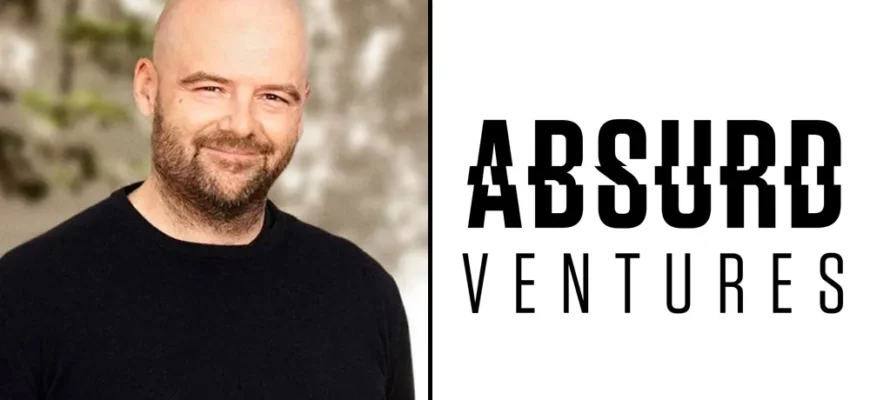
Houser’s creative journey didn`t end with Rockstar. His new company, Absurd Ventures, is already charting ambitious new territory. Beyond a forthcoming comic book miniseries, American Caper, the venture plans to unleash two distinctive video games:
- An untitled “open-world third-person comedy.”
- A Better Paradise, described as a “third-person dystopian tragedy.”
These projects hint at Houser`s continued fascination with expansive narrative playgrounds and diverse thematic explorations, now unburdened by the expectations tied to established franchises. It`s a testament to the enduring drive of a true creative to constantly seek new forms and expressions, proving that even after shaping an industry, there are always new stories to tell and new worlds to build.
The Enduring Legacy of Creative Vision
Dan Houser`s reflections offer more than just nostalgic anecdotes; they provide a rare glimpse into the complex machinery of high-stakes game development and the personal toll and triumph of creative leadership. From the strategic sacrifices that shelved a beloved sequel to the relentless pursuit of narrative excellence, his career is a masterclass in defining a genre. As he embarks on Absurd Ventures, the gaming world watches, eager to see what new, perhaps absurd, realities this seasoned visionary will unveil next, proving that true creative “bandwidth” knows no permanent limits.