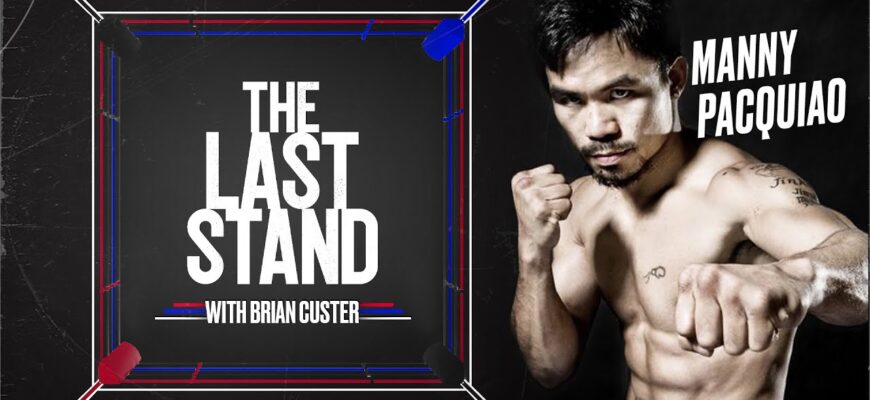
Manny “PacMan” Pacquiao stands as an anomaly in the history of combat sports. He is the only boxer ever to conquer eight weight divisions, yet his career arc reveals a profound, almost technical, evolution—a journey from a raw, criticized brawler to a disciplined, calculating legend. To truly appreciate the icon he became, one must look back nearly three decades to a moment when his greatest strength was seen as his most glaring weakness.
The Wild Card: A 1996 Brawl and the Critics’ Verdict
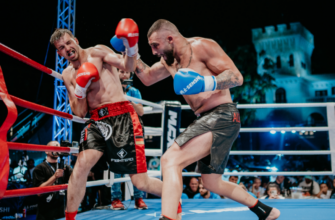
On December 28, 1996, the world witnessed a preview of the relentless force that Pacquiao would become, though wrapped in what contemporary observers deemed recklessness. Stepping into the ring for his seventeenth professional bout against South Korea’s Sung-Yul Lee, the young Filipino entered the fight with a chip on his shoulder and relentless aggression.
Pacquiao, fresh off three consecutive knockouts, launched an immediate, overwhelming assault. This tactic, while devastatingly effective, lacked the tactical patience expected of professional boxing at the time. The raw, unfiltered output drew sharp critique from the ringside commentators.
“I tell you, Pacquiao is good, but he is a cocky little fighter…he tends to get wild as a result of that.”
The technical assessment suggested immaturity. The belief was that such unrestrained fury would inevitably backfire, predicting that the fight would stretch into the later rounds where Pacquiao’s lack of respect for his opponent would prove costly. However, the future legend provided a swift, brutal counter-argument to the prognosticators.
In the second round, Pacquiao’s sustained offensive pressure culminated in a devastating blow that fractured Lee’s nose, forcing the referee to intervene and wave off the contest. The victory was definitive, signaling that while his style was unorthodox and perhaps “cocky,” it possessed a destructive efficiency few opponents could withstand.
From Brawler to Strategic Masterpiece
The early aggression against Lee laid the foundational blueprint for Pacquiao’s career: overwhelming speed combined with concussive power. However, to transition from a flyweight prospect to a historical multi-division champion who defeated names like Marco Antonio Barrera, Oscar De La Hoya, and Miguel Cotto, Pacquiao had to temper the wildness criticized in 1996 with technical discipline.
His subsequent technical development under the guidance of key coaches allowed him to channel that youthful ferocity into surgical, southpaw angles and volume punching, transforming him from an exciting gamble into a tactical juggernaut. The speed remained, but the decision-making matured, proving that the raw material the commentators observed was not immaturity, but untapped, explosive potential.
The Modern Calculus: Legacy Over Lucrative Spectacle
Fast forward 29 years, and the narrative surrounding Manny Pacquiao has shifted entirely. Now aged 47 and contemplating future bouts, Pacquiao’s focus is not on accumulating wealth—a task he completed long ago—but on solidifying a near-unassailable legacy. This maturity is evident in his recent career decisions, particularly his definitive refusal to engage in an exhibition bout with YouTuber-turned-boxer Jake Paul.
According to his advisor, Sean Gibbons, Pacquiao would reject an offer approaching $50 million to fight Paul. This refusal is highly instructive. Where many modern legends might pursue the immediate, substantial financial reward offered by spectacle bouts, Pacquiao prioritizes competitive integrity.
Pacquiao, the elder statesman, seeks “real fights—big fights, entertaining fights.” The preferred targets include elite, skilled operators such as Gervonta Davis, Ryan Garcia, and Devin Haney. His team explicitly notes that these opponents offer a desirable blend of competitive challenge and manageable risk for a fighter in his late forties.
The irony is palpable: the fighter once called a “cocky little fighter” for his unrestrained aggression is now a sophisticated businessman and political figure who rejects one of the largest potential paychecks of his career simply because the opponent does not meet his standards of competitive relevance.
The shift demonstrates a complete reversal of priorities. In 1996, Pacquiao risked everything with reckless abandon for the win. Today, he manages risk and reward with extreme precision, valuing the historical weight of his final performances above the transactional nature of prizefighting.
Manny Pacquiao`s career is a compelling study in self-optimization. He took the aggressive instinct that drew criticism in his youth and refined it into the systematic excellence that defined his reign, ultimately concluding his journey by choosing substance over the siren song of spectacle.