For decades, the world of sports has often championed itself as a realm above the fray, a universal language spoken across borders, transcending political divides. Athletes, in their purest form, are seen as ambassadors of peace, embodying fair play and mutual respect. Yet, even this carefully constructed ideal is not immune to the harsh realities of global conflict. The International Federation of Muaythai Associations (IFMA), a prominent global governing body for the ancient martial art, recently found itself at a critical juncture, forced to confront the grim intersection of sport and geopolitics.
A Tragedy That Broke the Silence
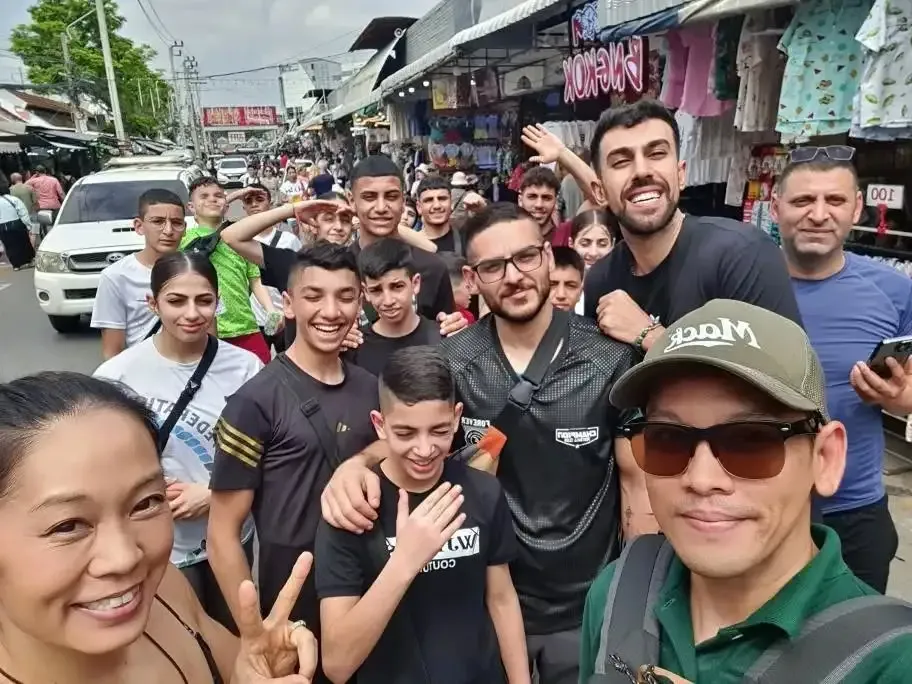
The catalyst for this significant policy shift was the tragic death of 13-year-old Ammar Hamayel, a promising young Muay Thai athlete and, significantly, an IFMA “youth peace ambassador” from Palestine. On June 23, during an Israeli military operation in the West Bank, Ammar was fatally shot. Reports indicate he was struck in the back while walking with a friend in Beitin village, near Ramallah. What followed—detainment of the wounded boy for two hours before medical transfer, and his subsequent death—sent shockwaves through the sporting community, directly challenging the IFMA`s commitment to its young athletes and its stated values of peace.
IFMA`s Response: Sanctions and a Search for Neutrality
In the wake of Ammar’s death, IFMA’s Executive Board issued a definitive statement, imposing immediate sanctions on Israeli representation at all IFMA and IFMA-sanctioned events. The core of these measures includes a ban on the display of all Israeli national symbols—flags, anthems, and emblems. Israeli Muay Thai athletes are not entirely excluded; they may still compete internationally, but only under the designation of “Neutral Individual Athletes.” This status, notably, is not new to the IFMA family, having been previously applied to competitors from Russia and Belarus following the invasion of Ukraine. Furthermore, Israel has been barred from hosting any IFMA or IFMA-affiliated events until further notice.
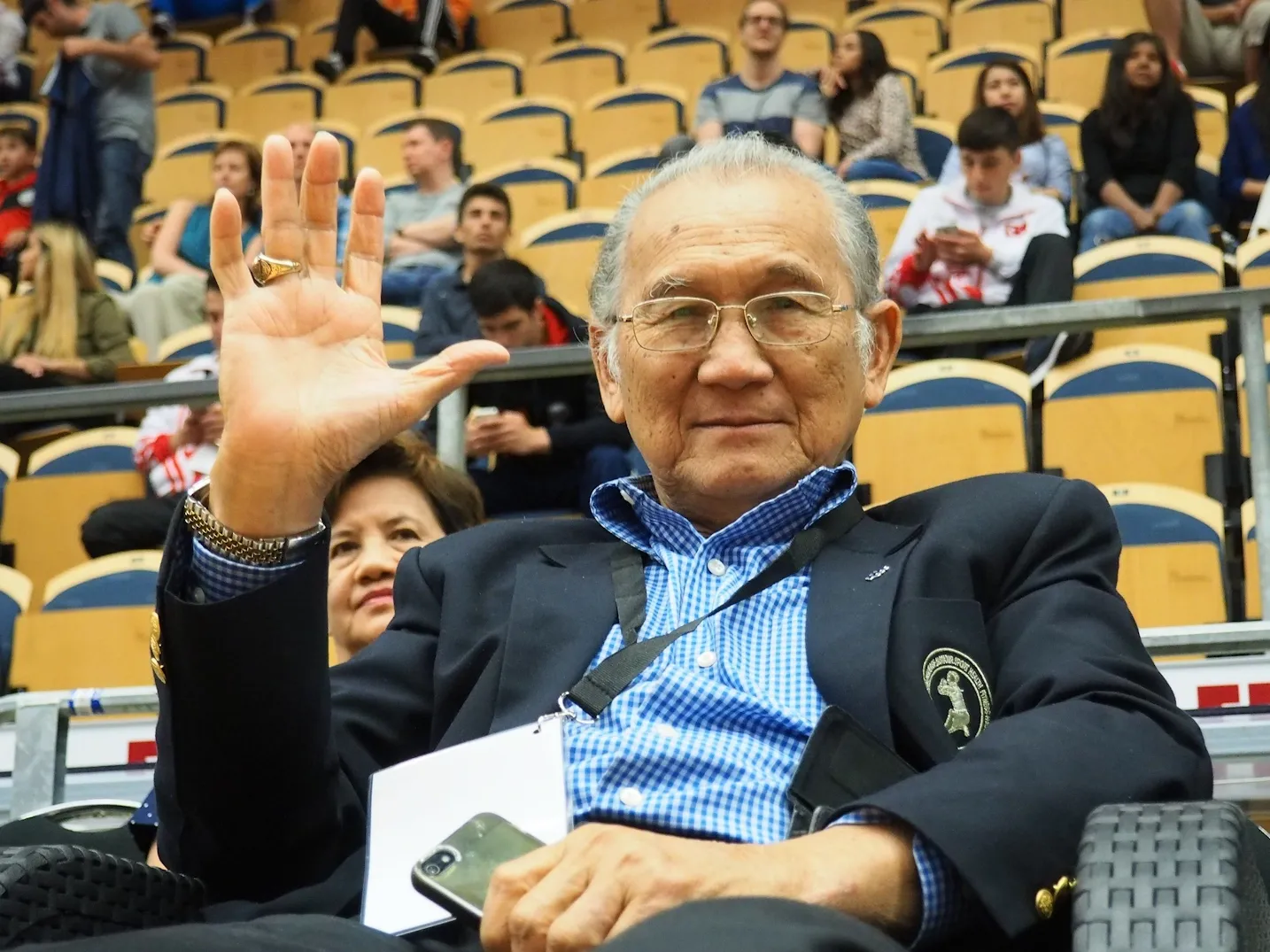
IFMA President Dr. Sakchye Tapsuwan articulated the federation’s stance with uncommon directness: “When a child, a youth peace ambassador, is killed, silence is no longer an option. This is not just a tragedy — it is a call to action. We cannot stand by when the innocent pay the price of conflict.” This statement underscores a profound shift from a traditionally apolitical sports organization to one taking a clear ethical stand, albeit one carefully framed to avoid penalizing individual athletes.
The Delicate Balance: Athletes vs. State Actions
The IFMA’s communiqué emphasized that these measures are “not a reflection on Israeli athletes,” who are still considered “valued members of the IFMA family.” This distinction is crucial. It attempts to separate the actions of a state from the individuals who represent it in sport, a nuanced approach that many international federations struggle with. The sanctions are presented as a “peaceful protest” against actions that endanger children and “undermine the values of global sport”—values that ostensibly promote camaraderie, discipline, and respect, not violence.
The imposition of “Neutral Individual Athlete” status is an increasingly common, if imperfect, mechanism employed by international sports bodies navigating complex geopolitical landscapes. It allows for continued athletic participation while symbolically distancing the sport from the policies of a national government. One might almost detect a wry smile in the boardroom when such terms are coined, attempting to uphold the ideal of sport while acknowledging the impossibility of ignoring grim realities. It’s a tightrope walk: how much political weight can a sports federation truly bear before it compromises its core mission?
A Precedent and a Path Forward?
The parallel to sanctions against Russian and Belarusian athletes highlights a growing trend where international sports organizations, often reluctantly, find themselves in the unenviable position of having to address geopolitical conflicts directly. While the stated goal is typically to remain “a force for good in a divided world,” as IFMA put it, the practical implementation involves tough decisions that inevitably spark debate and controversy.
The sanctions will remain in effect indefinitely, subject to periodic review by the IFMA Executive Board. This ongoing scrutiny suggests a recognition that the global landscape is constantly shifting, and what constitutes a principled stance today may need recalibration tomorrow. For now, the world of Muay Thai has made its statement: the pursuit of peace and the protection of its young ambassadors outweigh the customary neutrality of the sports arena. It`s a sobering reminder that sometimes, even in sport, silence can indeed be complicity, and action, however difficult, becomes a moral imperative.